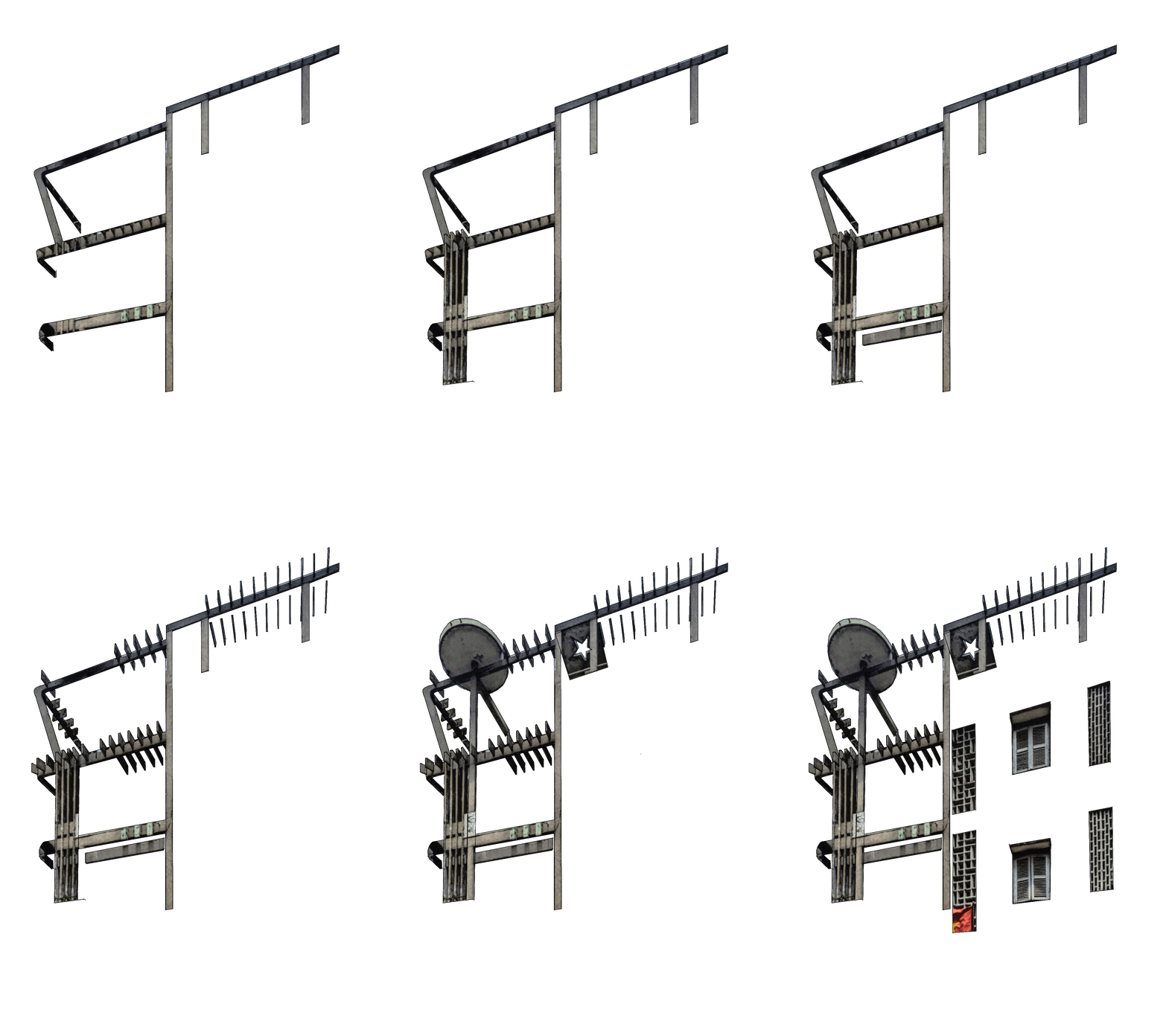
There is an unusual confusion between Vietnamese modernism and international modernism that doesn't include vernacular modernist structures in the historical discourses. We often compare architects' works when addressing the history of architectural currents, and vernacular architecture is sidelined in its own clans. This situation is ever changed with vernacular modernism.
Whenever Vietnamese modernist architecture is mentioned, most people recall popular works like the Independence Palace, Hoà Bình Theater, or apartment blocks and other public buildings designed by architects. Yet when we take Saigon as a typical site of Vietnamese modernism, the surprising fact is that the urban context of Saigon is, for the most part, made up of modernist shophouses and villas. And these dwelling structures are most often designed by the people as a kind of living craftsmanship.
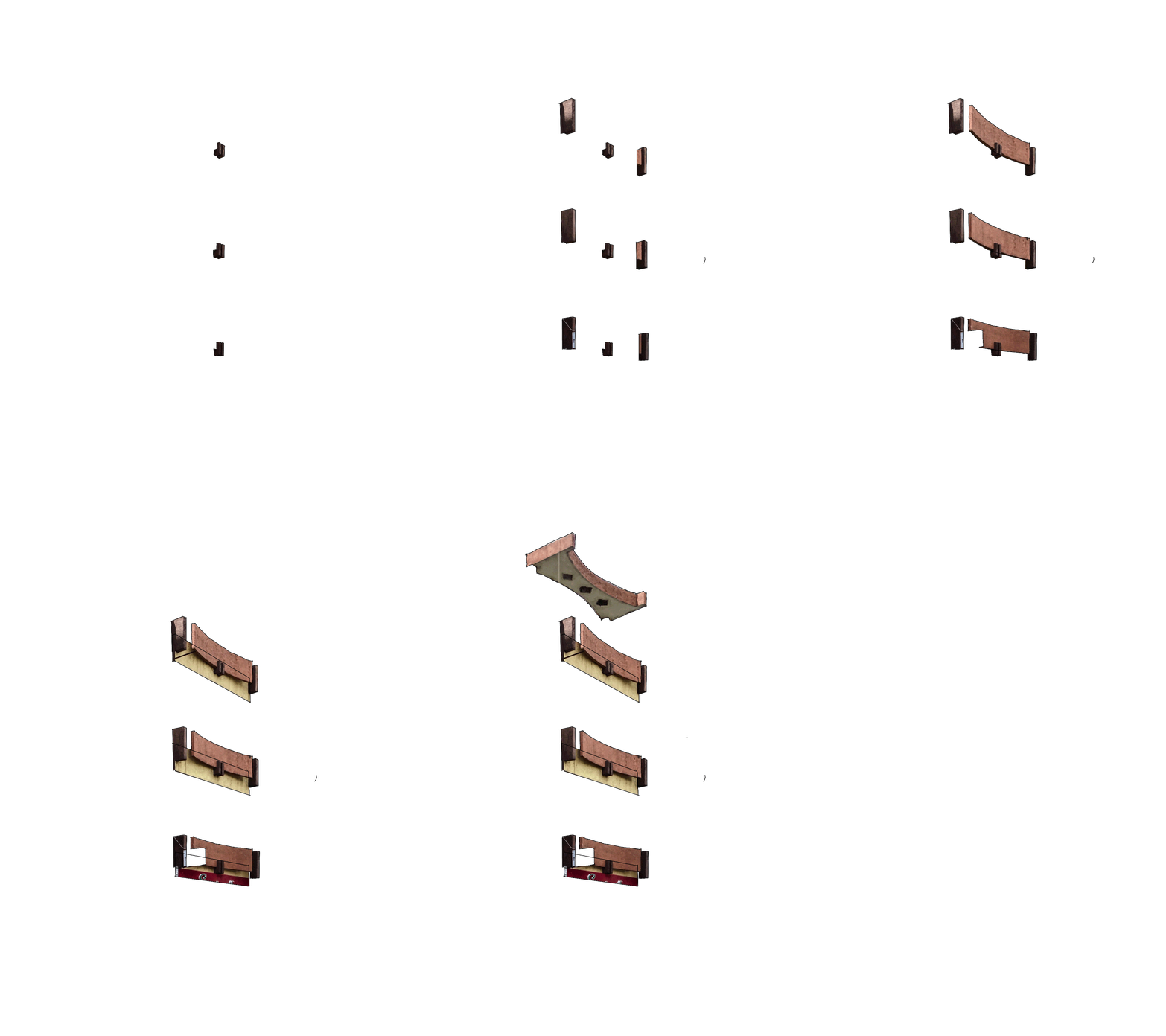
Like any language (a set of symbols and principles channeling thoughts and communications), the 'vernacularized' language of Vietnamese modernist architecture is also made up of certain fundamental blocks and principles, with its own 'alphabet' and 'grammar'.
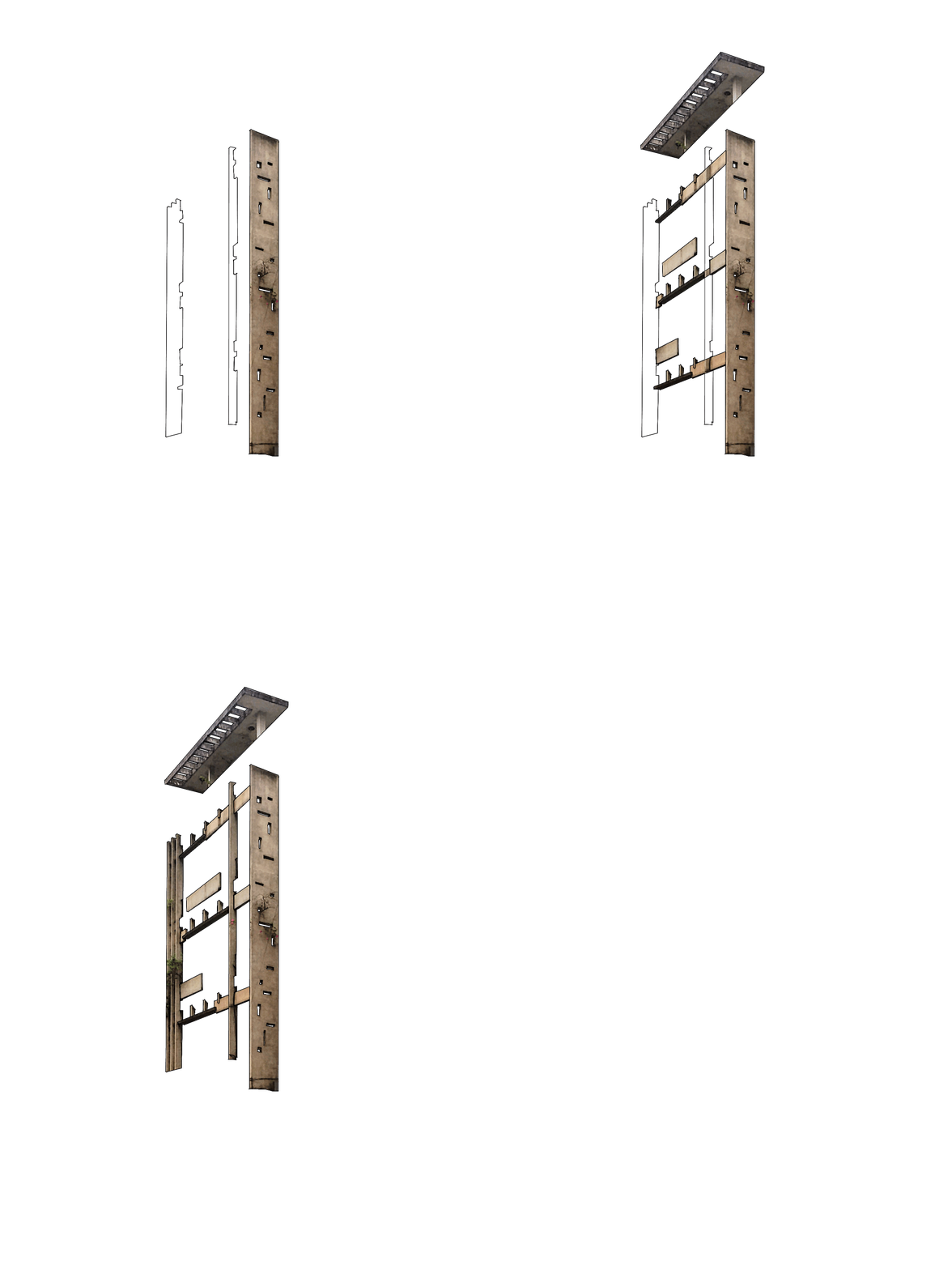
When riding the streets of Sài Gòn, one would encounter endless examples of louvers, planters, brise-soleils, patterns, and many more. These elements are repeatedly used. But their individual compositions vary enormously. Ordinary people have picked and tweaked the designs to their will, creating a common grammar and vocabulary.
As a result, the population was able to learn this language and recreate modernist designs to express their personal identities across urban shophouses, in many cases without prior architectural knowledge. The fact that this creative activity is a language, and language is a natural human capacity, is what explains how these grammars and vocabularies were organically spread out across the country, becoming a vernacular practice of construction. The modernist language from the institutional buildings was turned into a completely different creative enterprise, a parallel modernism practiced by the public.
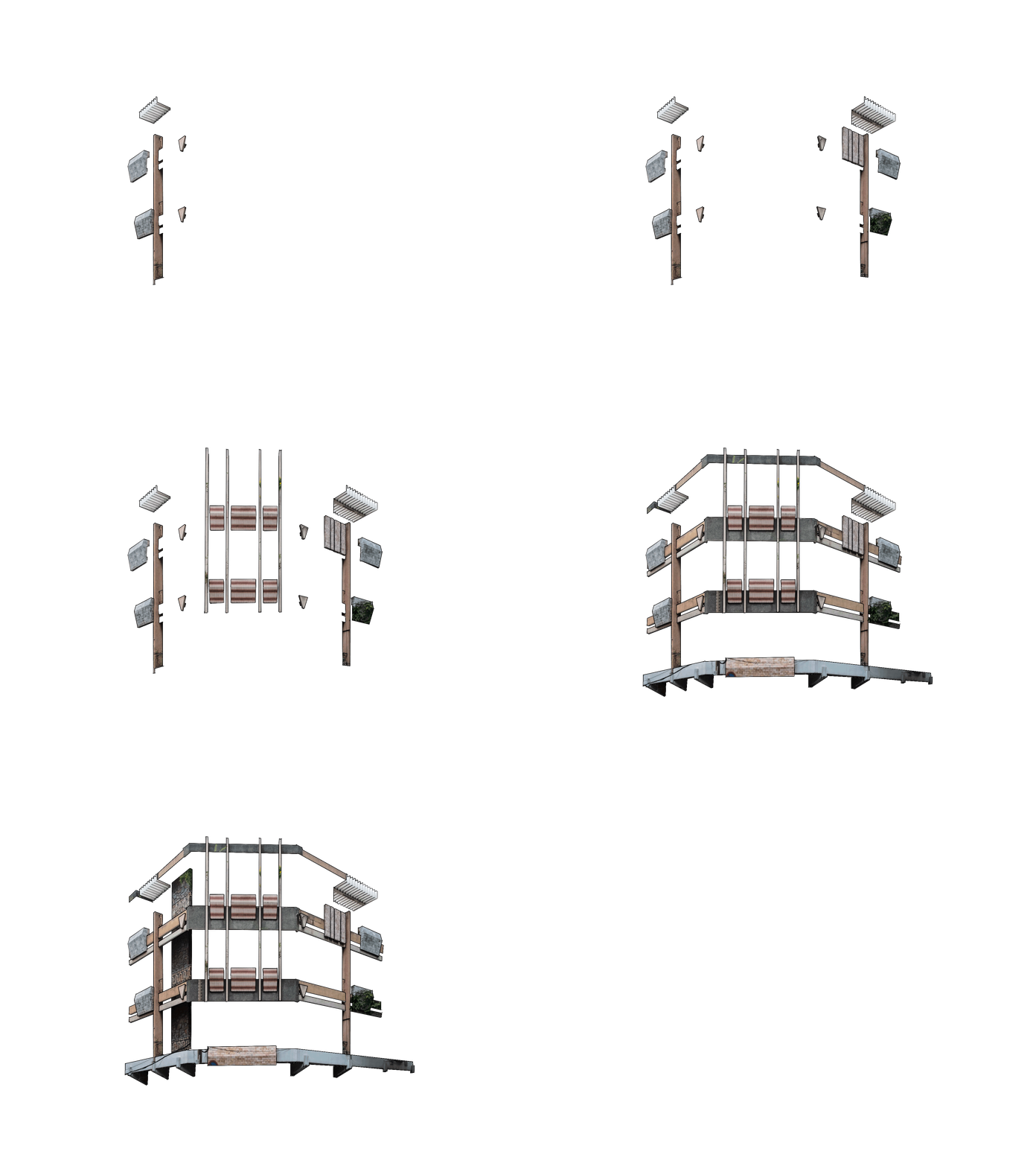
This similarity in linguistic behavior can help us look at culture as a whole. It suggests an...